

In 2026, Istria remains a region that combines numerous advantages – nature, proximity to Western Europe, and both tourist and cultural appeal – positioning itself as an attractive place to live and invest. However, market dynamics will no longer be determined exclusively by rising prices; a new demand profile is increasingly evident: buyers and investors seek properties that offer quality, energy efficiency, and a rational use of space.
In recent years, a clear shift in demand structure has been observed. While large villas and tourist properties were previously at the forefront, smaller, functional properties – apartments and houses – are now preferred, offering good locations, manageable operating costs, and modern construction. This change reflects both increased financing and maintenance costs, as well as changing values: more buyers are placing greater emphasis on long-term cost-effectiveness and lower management risks.
Property prices in Istria remain at the upper end of the Croatian average – especially near the coast and in well-known tourist centers. Despite lower transaction volumes in some segments, offer prices in attractive locations continue to hold a high level. This means the market is becoming more demanding for buyers, but at the same time offers opportunities for those seeking properties with long-term appreciation potential.
A significant trend concerns energy efficiency and sustainable construction. Properties with good insulation, high-quality installations, and low operating costs attract both domestic and foreign investors who value future-proof investments. Such properties find buyers quickly, as demand is no longer oriented solely on square meters, but on comfort and long-term value.
In the luxury segment, selection is becoming increasingly demanding: properties with natural materials, high-quality design, privacy, and infrastructure that justifies the price are sought after. Despite higher maintenance costs, such properties remain attractive for investors seeking long-term stability and exclusive living or rental opportunities.
Infrastructure development, demographic changes, and the growth of services in the hinterland and smaller Istrian towns encourage families and professionals seeking a high quality of life outside major metropolises to move in. This increases demand for housing solutions in well-connected, yet quieter environments.
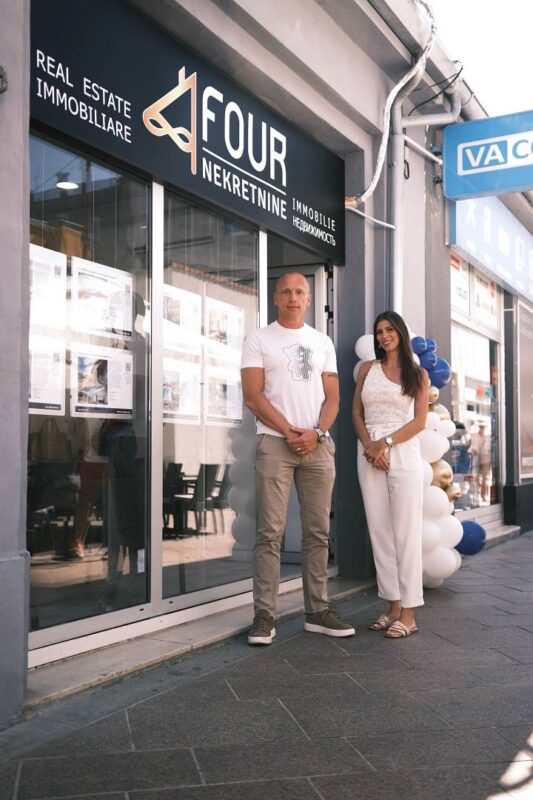
For buyers and investors planning in 2026, it is crucial to understand the nuances of the market – it is not just about the price per square meter, but about choosing a property that offers a good location, energy efficiency, high-quality execution, and long-term value. The real estate agency Istra Four Nekretnine recognizes these changes and offers properties that meet the new standards, advising clients in line with realistic market expectations.
In summary, Istria retains its strengths in 2026 – diversity of offerings, nature, location, and investment potential – but the market is evolving toward more demanding criteria: quality, sustainability, and functionality. This creates space for thoughtful investments based on a realistic approach and a long-term vision.