

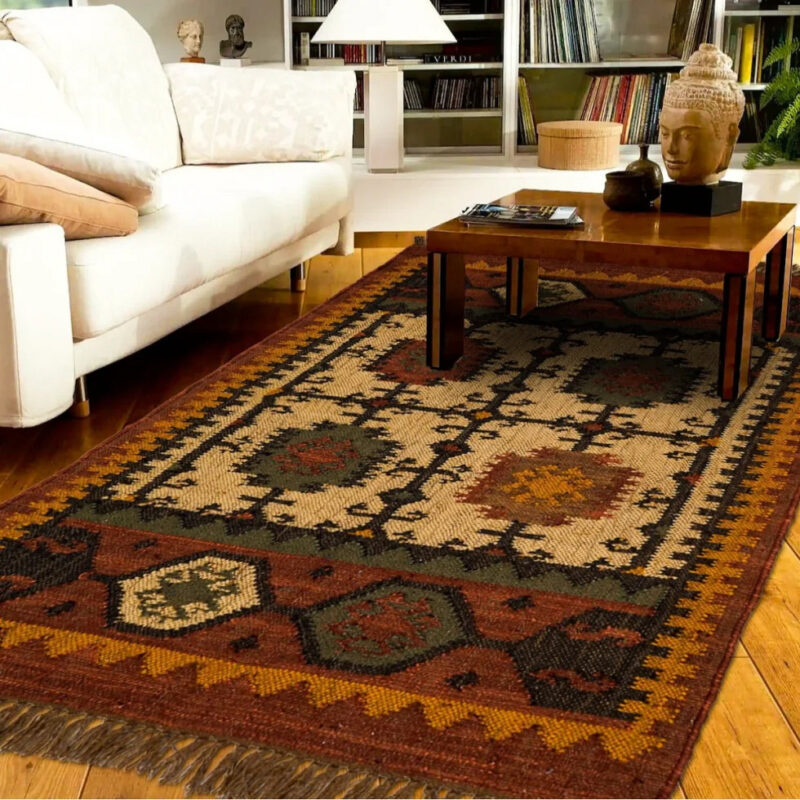
In today’s design landscape, sustainability is no longer just a buzzword , it’s a core requirement for flooring and interior projects. From large commercial developments to private residences, architects, designers, and homeowners are all seeking solutions that blend environmental responsibility with timeless style. Among the many natural materials gaining traction, jute rugs have emerged as a standout option, offering both beauty and eco-friendly performance.
So what’s behind this growing demand? Below, we outline the key reasons jute area rugs are making such an impact in sustainable flooring trends, and why professionals and consumers alike are embracing them.
1. Eco-Friendly Production
Jute is one of the most sustainable fibers in the world. It grows quickly, requires little water, and improves the soil in which it’s cultivated. Compared to synthetic alternatives, its processing has a far lower environmental footprint. For flooring professionals who need to recommend materials that align with green building standards or certifications, jute rugs provide a reliable option that meets environmental goals without sacrificing style or usability.
2. Biodegradability and End-of-Life Advantage
Sustainability is about the full life cycle of a product. Unlike synthetic rugs that contribute to landfill waste for decades, jute rugs are fully biodegradable. This appeals to eco-conscious consumers and builders who want products that can return to the earth without harm. The ability to market rugs as part of a circular economy is increasingly valuable, and jute stands out as one of the few natural fibers that aligns perfectly with these principles.
3. Aesthetic Versatility
Sustainable products don’t just need to perform well,they must also look good in a wide range of settings. Jute rugs deliver timeless style through their neutral tones and tactile textures. They can complement hardwood floors, soften stone or tile surfaces, and even balance the cool sleekness of polished concrete. Their ability to blend into multiple design aesthetics, from rustic farmhouse to modern minimalism, makes them a top choice for flooring professionals who want flexible, design-forward solutions.
4. Complement to Sustainable Flooring Materials
Many eco-conscious projects incorporate bamboo, cork, or reclaimed wood flooring. Jute rugs naturally complement these materials by extending the sustainability narrative beyond the floor itself. They act as finishing touches that reinforce the project’s commitment to eco-friendly living. For contractors and designers, recommending jute area rugs creates a cohesive design language where every element, from the ground up, reflects the values of sustainability and thoughtful sourcing.
5. Affordability Without Compromise
Sustainable flooring materials can sometimes come with higher upfront costs, but jute rugs provide an accessible way to introduce eco-friendly design without breaking the budget. Their affordability makes them a go-to recommendation for homeowners who want a sustainable upgrade without a complete remodel. Flooring retailers also find them easier to sell because they allow consumers to participate in the green movement at an attainable price point, while still enjoying high-quality, handcrafted pieces.
6. Durability for Everyday Living
Jute is softer than sisal but still highly durable for everyday use in living rooms, bedrooms, and dining spaces. Homeowners appreciate that these rugs balance comfort underfoot with practical performance. For flooring professionals, this durability means they can confidently recommend jute in residential projects that require long-lasting, low-maintenance options. The material holds up particularly well in medium-traffic areas, striking a balance between beauty and function that meets market expectations.
7. Growing Consumer Awareness and Demand
Perhaps the most important reason behind the rise of jute rugs is consumer awareness. Today’s buyers want to know where their products come from, how they are made, and whether they contribute positively to the planet. Jute’s story,renewable, biodegradable, hand-braided,resonates strongly with this audience. As awareness spreads, demand continues to grow, creating opportunities for designers, retailers, and flooring professionals to meet expectations with eco-friendly, stylish, and authentic products.
Final Thoughts
The flooring industry is increasingly shaped by sustainability, and complementary elements like jute rugs are central to this trend. From their eco-friendly cultivation to their versatility and affordability, jute area rugs offer compelling reasons for their rising demand. Brands like Jute Land highlight the best of what jute has to offer: hand-braided craftsmanship, natural beauty, and eco-conscious design. For professionals and consumers alike, the growing role of jute signals a future where flooring and its accessories are as responsible as they are stylish.