

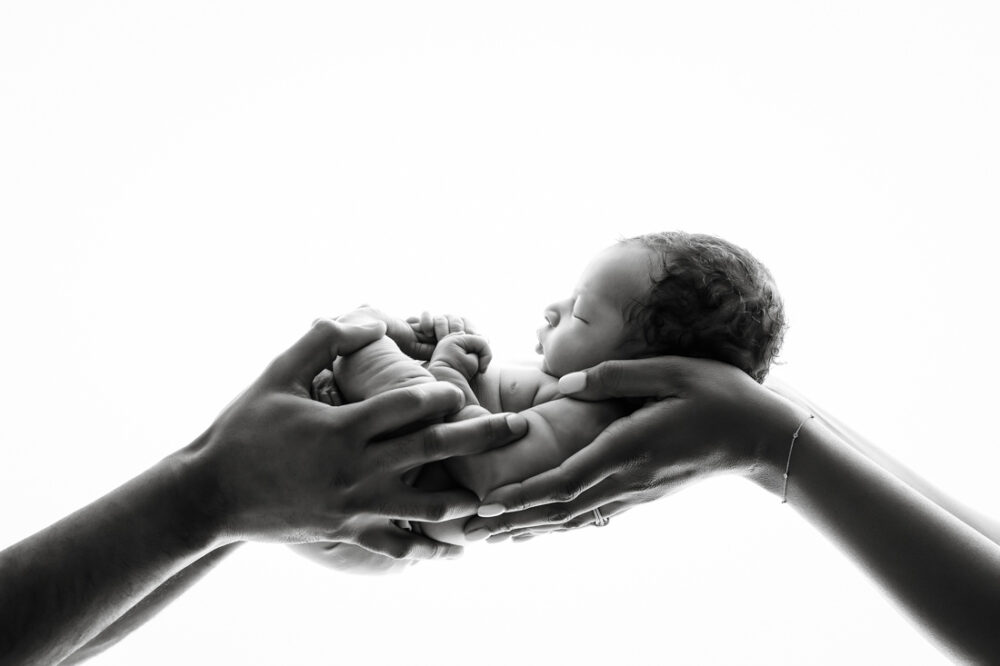
Newborn photography is a beautiful art form that allows photographers to capture the purest and most tender moments of a new life. These precious images serve as timeless keepsakes for families, preserving their joy and love in its most innocent form. However, to create stunning newborn photographs, choosing the right equipment is crucial. Among the variety of tools available to photographers, selecting the best lens can make a significant difference in your work. Whether you’re an aspiring newborn photographer or looking to enhance your skills, understanding which lenses are ideal for this niche will help you capture these fleeting moments with elegance and clarity.
When it comes to newborn photography, one of the first considerations is focal length. Prime lenses with fixed focal lengths such as 50mm or 85mm are often favored by photographers due to their sharpness and ability to produce beautiful portraits with natural-looking perspectives. The 50mm lens, often considered a “nifty fifty,” offers versatility that suits both full-frame and crop sensor cameras. It provides enough distance from the subject while maintaining intimacy—a balance necessary for capturing those serene sleeping poses or sensitive awake moments without distortion.
Next on the list is aperture speed—an important feature when shooting indoors where natural light might be limited. Newborn sessions typically occur in softly lit environments like nurseries or living rooms rather than studios bursting with artificial lighting. A fast lens with a wide maximum aperture such as f/1.2 or f/1.4 allows more light onto the sensor, producing well-exposed images even in low-light conditions typical of home settings or during soft morning hours. This makes them perfect for creating dreamy bokeh effects that isolate your tiny subject against blurred backgrounds.
Additionally, macro lenses offer unique advantages in newborn photography by allowing you to get close-up shots of those delicate details—tiny fingers gripping mom’s hand or wisps of newborn hair framing their face. Lenses like a 100mm macro let you explore these intricate elements without sacrificing image quality. With extraordinary detail and contrast capabilities, macro lenses transform simple features into enchanting compositions that tell a deeper story about the beginning stages of life.
Another essential factor is image stabilization—a feature that can make handheld shots smoother and sharper especially during longer exposure times needed indoors without flash use which might disturb a sleeping baby’s peaceful state. Lenses equipped with optical stabilization systems compensate for camera shake ensuring crisp captures even at slower shutter speeds or while using longer focal lengths when keeping still isn’t possible.
Lastly, consider investing in zoom lenses if flexibility is paramount in your photographic pursuits; they allow you to adjust composition quickly without having to swap out lenses mid-session—important when dealing with unpredictable subjects like babies who don’t always stay still! A versatile option could be something along the lines of a 24-70mm lens providing both wide-angle views perfect for including parents or siblings alongside close-ups focusing solely on the infant.
Conclusion:
Selecting the best lens for newborn photography involves considering several key features that cater specifically to capturing these tender early days effectively—from focal length and aperture speed through macro capabilities and image stabilization options down to practical zoom ranges offering adaptability across varied session setups—all play vital roles influencing picture quality profoundly impacting how clients treasure each shot captured within this special genre deeply rooted within family heritage preservation! Remember always practicing patience together combined technical proficiency ensures every click becomes part magical journey celebrating life anew forever cherished beyond any mere souvenir photograph ever could convey alone…